

Study planning
US College Applications: A Practical Guide to First-Year Admissions
Understand first-year applications, Common App, the University of California system and useful admissions-office questions.
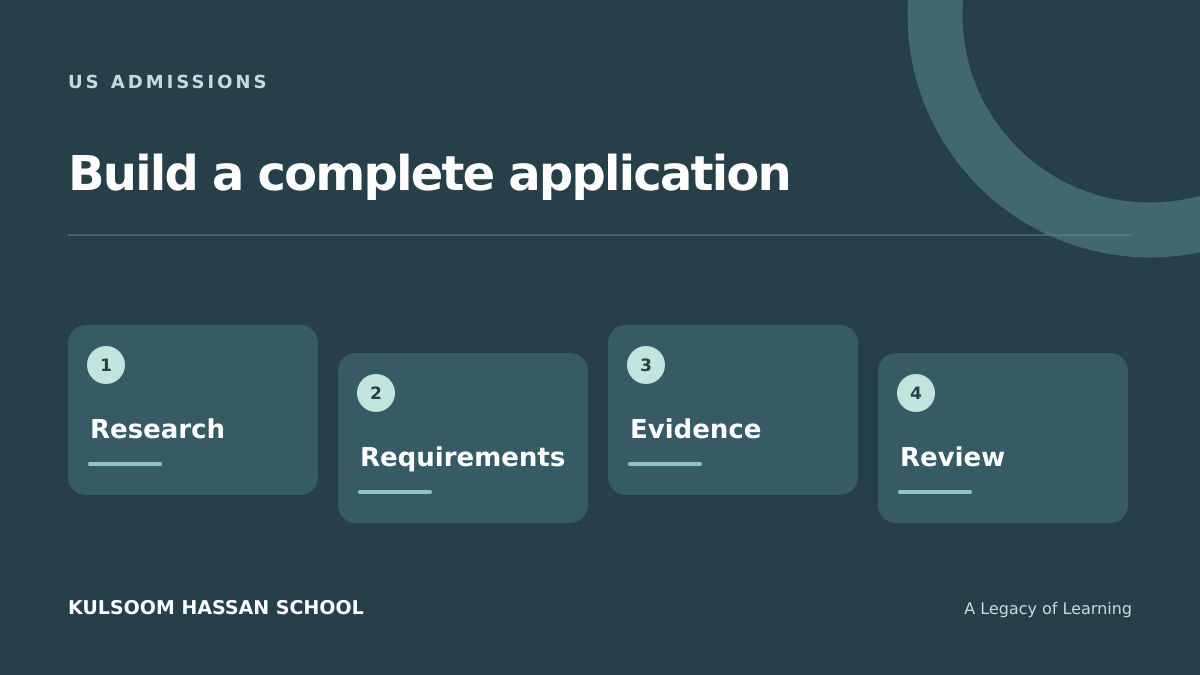
A US college application is a collection of institution-specific decisions, not a single universal form. Universities can use different application platforms, request different supporting documents and set their own deadlines. International applicants also need to understand how their school qualifications will be evaluated. Starting with a shortlist and a requirements tracker makes the process easier to manage.
The terms freshman and first-year commonly refer to students beginning undergraduate study, but the institution’s definitions determine which application you should use. Previous college attendance can affect your applicant category. If your circumstances are unusual, ask the admissions office before completing the wrong form or paying a fee.
Begin with the programme and institution
Compare the subjects available, the structure of the degree, campus location and the total cost of attendance. A familiar university name is not enough to establish whether it offers the course or academic pathway you need. Read the official undergraduate admissions pages and the department’s programme information together.
Create a short list of essential criteria and optional preferences. Essential criteria might include academic eligibility, an affordable funding plan and an appropriate subject. Preferences could include class format or campus setting. Keep evidence beside each decision so you can explain why an institution belongs on your shortlist rather than applying only because it appears in a ranking.
Understand Common App and separate applications
Common App’s first-year guide explains its application process and the materials applicants may need. Participating colleges still set their own requirements. You may need additional questions, recommendations or other institution-specific information beyond the shared sections. Submitting one application does not automatically apply you to every college on the platform.
The University of California first-year admissions site describes UC’s own application route. If you search “apply for UC”, make sure you reach the University of California system rather than an unrelated institution with similar initials. Read its current instructions for academic history, personal insight questions and international applicants. Do not assume a Common App essay can simply be pasted into every other application.
Make a document and deadline tracker
For each institution, record the application platform, deadline and time zone, required documents, fee and any separate scholarship deadline. Distinguish what you submit from what a teacher, counsellor or school official must send. Give recommenders adequate notice and explain the relevant deadline without asking them to make claims they cannot support.
- Gather accurate school records and confirm any translation requirements.
- Check whether the institution requires English-language evidence for your circumstances.
- Read the current standardised-testing policy rather than assuming a universal SAT rule.
- Confirm how supporting documents should be submitted and how receipt will be shown.
Names, dates and qualification titles should remain consistent across forms. If a document uses a different spelling or format, seek the institution’s instructions for resolving it. Do not alter an official record to make an application appear more convenient.
Write with specific evidence
A strong application explains your interests through concrete experiences. Describe what you studied, attempted, contributed or learned, and connect it to the question being asked. An impressive-sounding statement with no supporting detail can tell an admissions reader less than a modest but well-explained example.
Feedback can improve structure and clarity, but the final work must remain truthful and your own. Keep a record of activities and dates so different sections do not contradict each other. Read each essay prompt carefully: a statement about an academic interest and an explanation of a personal challenge require different choices of evidence.
Contact the office of admissions effectively
Ask focused questions after reading the published guidance. Include the programme, entry term and applicant category you are considering. For example, explain your qualification and ask which official entry-requirements page applies to it. If a deadline or document rule is unclear, quote the relevant page and describe the specific uncertainty.
An admissions office can clarify its process, but an informal reply is not an offer of admission or a scholarship commitment. Keep written correspondence and follow the official application portal. Never assume that submitting an application guarantees admission, funding or an immigration outcome.
Plan beyond submission
Monitor the applicant portal for missing items and decisions. Compare any offers using academic fit, conditions and the complete financial commitment. Admission and permission to enter or study in the country are separate processes; use the relevant official government guidance for immigration requirements rather than treating an offer letter as the final step.
Kulsoom Hassan School can discuss study-abroad planning, including shortlisting, application organisation and preparation needs. Applicants interested in US physical therapy should also read our PTCAS guide, because professional programme applications are different from ordinary first-year undergraduate admissions. For other destinations, use our UK university shortlist guide and Canada planning guide.